

Defending Human Conservation Photography & Art in the Age of AI
Only a few years ago, AI seemed like a distant, foreign concept. Few could have predicted it would so quickly become intertwined with almost every facet and sector of our society. Today, it is normalized in everything from routine daily tasks to complex medical diagnostics. Increasingly, it is also used to generate photographs and digital art that trick an untrained eye. For many, bypassing a human creator saves immediate time and budget. But when we look past surface convenience, we must ask: what is the real impact on our collective story?

The Human Connection
AI cannot interpret or mirror the genuine connection forged during a physical shoot. A photograph is never just a final file: it is the tangible record of a moment in time, a silent conversation, and a mutual trust established between the photographer and the subject.
In conservation photography, this is where human skill becomes irreplaceable. A talented wildlife photographer knows how to read an animal's body language, wait for the right moment, and capture an exact glance or posture that builds an instant, empathetic bridge between that animal and the human audience.

AI does not witness our world; it merely recalculates it. While automated generation operates on mathematical perfection and predictive datasets, human artistry thrives on intentional imperfections, patience, and raw emotion. An algorithm can generate a technically flawless representation of an endangered species or a landscape under threat, but it has never actually stood in the field, looked into the eyes of a wild animal, and felt the weight of that interaction. Viewers can sense that hollow center.

The Erasing of Environmental Advocacy
The trade-off between human craftsmanship and instant convenience carries a permanent cost. Opting for the fast-fashion equivalent of visual art hollows out the decades of dedication, field craft, and lived experience that genuine creators endure. It leaves us with a culture that is highly saturated but completely empty.
When cheap alternatives replace independent photographers, we forfeit more than just beautiful pictures; we part with the very eyes and ears of conservation. Historically, conservation photography has been the direct catalyst for massive environmental shifts, from establishing protected parks to exposing the realities of habitat destruction and species decline.
Swapping documented reality for synthetic, prompt-generated visuals erases our collective proof of what is actually happening to our planet. Without commercial baselines to fund their work, independent storytellers will no longer have the financial security required to pursue deep, mission-driven wildlife and habitat projects that require weeks or months in the field.

Visual Art as a Catalyst for Change
Art exists to do more than decorate a blank space: it disrupts complacency. A real photograph acts as an honest mirror to the world, demanding accountability in a way that a generated composite never can.
AI treats imagery as a commodity, an algorithmically optimized asset designed for quick consumption. True advocacy photography is the exact opposite. It deliberately slows the viewer down, forces an emotional reckoning, and invites them to protect what they are seeing. When we support human creators, we are investing directly in the preservation of truth. Choosing to value an authentic human eye over synthetic shortcuts is a powerful act of conservation advocacy.
What You Can Do: How to Preserve the Craft
The most immediate power we have as organizations, businesses, and consumers is where we direct our attention and financial support.
Seek Out Authenticity and Support the Source
Prioritize Human-Made Work: Actively look for and support platforms, publications, and galleries that enforce explicit policies against AI-generated editorial content.
Commission Real People: When your business or campaign needs imagery, make the conscious choice to hire a local photographer or designer. Treat visual storytelling as a specialized profession that deserves a sustainable living wage, not a line item to be optimized away.
Fund Deep-Dive Visual Journalism: Independent storytellers rely on print sales, grants, and direct subscribers to fund long-term conservation and social documentary work. Buying art directly from the source keeps those vital eyes in the field.
Demand Transparency and Truth in Media
As the line between reality and synthesis blurs, audiences must become active defenders of market authenticity.
Look for Media Provenance: Support organizations working to establish clear digital standards for verifying the history and origin of media. Advocate for the use of digital watermarks and verified metadata that prove a photograph was captured through a physical lens.
Question Unlabeled Synthetic Imagery: Hold brands and media outlets accountable. If an organization uses a hyper-realistic AI image for an environmental campaign instead of deploying a documentary photographer, ask them why. Publicly favoring real, messy human stories over pristine, algorithmic fabrications pushes the market back toward credibility.
Share the Narrative Behind the Shutter
One of the best ways to combat the idea that art is instant is to remind people of the human labor and patience involved in the process.
Celebrate the Creative Journey: When sharing a powerful photograph, talk about what it took to get the frame. Highlight the hours spent waiting in the elements, the tracking of wildlife, or the technical mastery developed over decades of practice.
Educate the Next Generation: Teach younger viewers how to look closely at media. Help them understand the structural difference between an automated text prompt and an artist showing up to bear honest witness to the natural world.

We Have a Choice
The choice before us is not about resisting technology: it is about deciding what we refuse to sacrifice in the name of efficiency. Every time you buy a physical print from a local creator, hire an independent photographer, or demand transparency from the media you consume, you are casting a vote for a world that values truth over synthesis. Art has always been our most honest mirror. If we want it to keep reflecting the true depth of human experience and the reality of the wild spaces we fight to protect, we have to show up for the people holding the camera.
About the Author

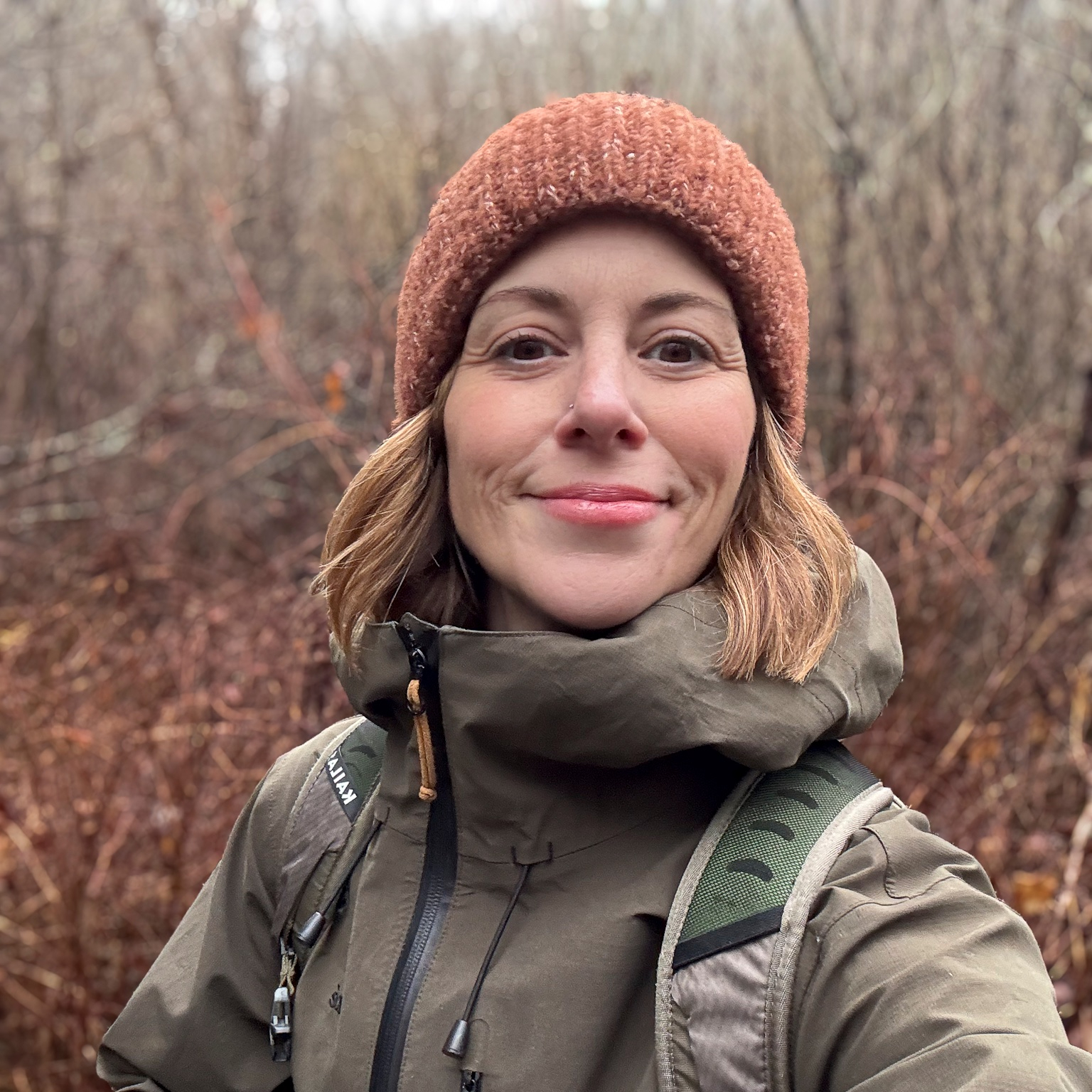
Born and raised on Vancouver Island, Renée is deeply rooted in the varied terrain of British Columbia, using photography and social media as a strategic tool for environmental stewardship. Through her platform, CapturingInTheWild.com, she advocates for a "Wild Strategy" that bridges the gap between digital narrative and ecological reality. Her practice is built on the belief that images should be honest witnesses to the land. This leads her to focus on the frontlines of habitat loss and the fight to save BCs remaining old-growth timber, while also capturing the quiet, intricate details of nature that often go overlooked.
For Renée, ethical photography is a non-negotiable standard. It applies to how she treats individual animals in the field and how she defends the landscapes they call home. She is a firm believer in "boots on the ground" advocacy, turning her visual observations into a call for tangible conservation results and lasting change.


Comments